
swiftkey

Microsoft acquired predictive keyboard developer SwiftKey

Written by Joseph Nordqvist

Published: 09:17, February 3, 2016

Microsoft has officially acquired SwiftKey, the predictive keyboard developer, according to a blog post by the Redmond-based tech giant.

The Financial Times said in a report that Microsoft snatched up the London-based company for $250 million (about £173 million).

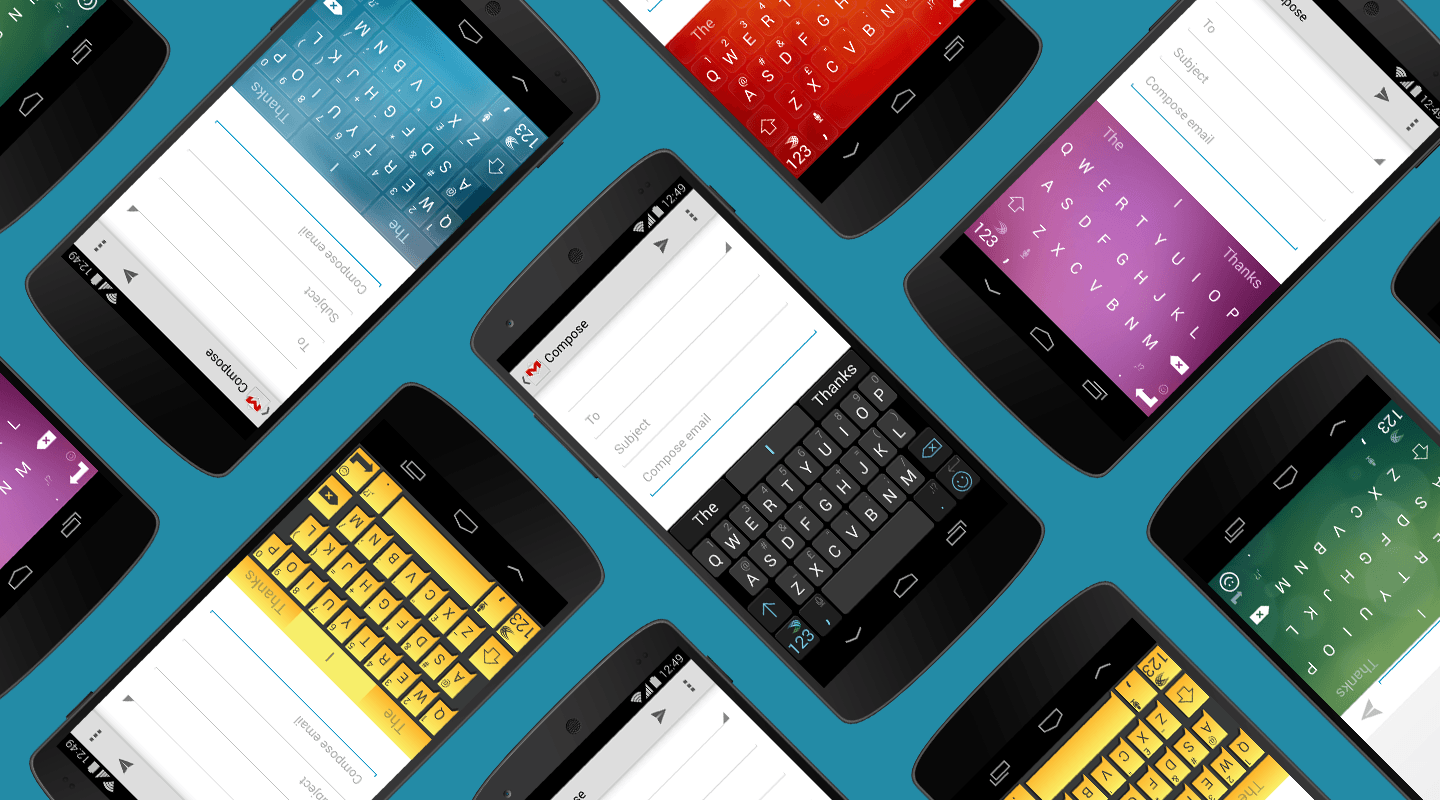
SwiftKey’s software keyboard and SDK powers more than 300 million Android and iOS devices. Its popularity stems from its advanced ‘autocorrect’ and ‘next word suggestion’ features.
swiftkey
SwiftKey learns from previous SMS messages and output predictions based on currently input text and what it has learned.

Harry Shum, Microsoft Executive Vice President, Technology and Research, said in a Microsoft blog post:

“This acquisition is a great example of Microsoft’s commitment to bringing its software and services to all platforms. We’ll continue to develop SwiftKey’s market-leading keyboard apps for Android and iOS as well as explore scenarios for the integration of the core technology across the breadth of our product and services portfolio. Moreover, SwiftKey’s predictive technology aligns with Microsoft’s investments and ambition to develop intelligent systems that can work more on the user’s behalf and under their control.”

Shum went on to say that more information on how Microsoft will integrate SwiftKey with its Word Flow technology for Windows will be revealed in the coming months.


He added: “SwiftKey’s predictive technology aligns with Microsoft’s investments and ambition to develop intelligent systems that can work more on the user’s behalf and under their control.”

SwiftKey dropped its price-tag to be free to download in June 2014. The company confirmed that the app will continue to be free to use.

“Our apps will continue to be available on Android and iOS, for free,” said SwiftKey cofounders Jon Reynolds and Ben Medlock.

Joseph Nordqvist Avatar

Other News

Startup training was followed by more closures and stronger funding results in a US experiment

Nov 24, 2026

Information about local rivals changed firms’ AI investment plans in a European study

Nov 24, 2026

Online job ads can understate small employers’ share of hiring opportunities

Nov 24, 2026

How IBM expanded marketing experiments by changing who could run them

Nov 24, 2026

Grocery discounts do not lift every brand’s sales equally, study finds

Nov 24, 2026

A low upfront price can obscure the cost of refills, study finds

Nov 24, 2026

How medical device startups describe their products may affect clearance times

Nov 23, 2026

Why cheaper grocery products can face faster inflation when costs rise

Nov 23, 2026

One office day a month was followed by more calls handled in a remote-work experiment

Nov 23, 2026

An AI shopping assistant increased sales in a livestream experiment

Nov 23, 2026

Starting an idea without AI changed employees’ sense of ownership in an H&M test

Nov 23, 2026

Showing the extra cost of a larger pack changed buying choices in an online test

Nov 23, 2026

Looking at products together can help identify competitors, camera study finds

Nov 23, 2026

Removing unauthorized book copies produced an uncertain sales result in a field experiment

Nov 23, 2026

Warnings did not consistently undo the influence of product lineups

Nov 23, 2026

Demographic ad targeting can change how fairly consumers view a brand

Nov 22, 2026

Matching online and store prices had mixed effects at one electronics retailer

Nov 22, 2026

Meal-kit displays showed no clear sales lift for plant-based products in Belgian stores

Nov 22, 2026

High switching costs weakened price competition in a laboratory market

Nov 22, 2026

A digital product passport changed toothbrush valuations in a lab study

Nov 22, 2026