
shell-concept-car

Shell unveils energy efficient petrol-burning concept car

Written by Joseph Nordqvist

Published: 09:20, April 24, 2016

Shell unveiled an energy efficient petrol-burning concept car capable of averaging an impressive 89 miles per gallon which it believes could be a practical solution to driving in modern cities.

The oil giant’s ‘Project M’ three-seater lightweight concept city car is based on Gordon Murray Design’s T.25 city car.

F1™ designer Gordon Murray, engine experts Geo Technology and Shell scientists collaborated to co-engineer the vehicle’s body, engine and lubricant to minimise fuel use and CO2 emissions.


According to Shell, “the result is a concept car that uses significantly less energy from its manufacture to the end of its life.”

“You could build this car and drive it for around 100,000 kilometres before consuming the same energy it takes to make a typical SUV,” says engineer Bob Mainwaring, Shell’s Technology Manager for Innovation, who is leading the project.

“We used our expertise with leading edge products like Shell Helix to create an efficient lubricant which works perfectly in harmony with the engine.”
shell-concept-car
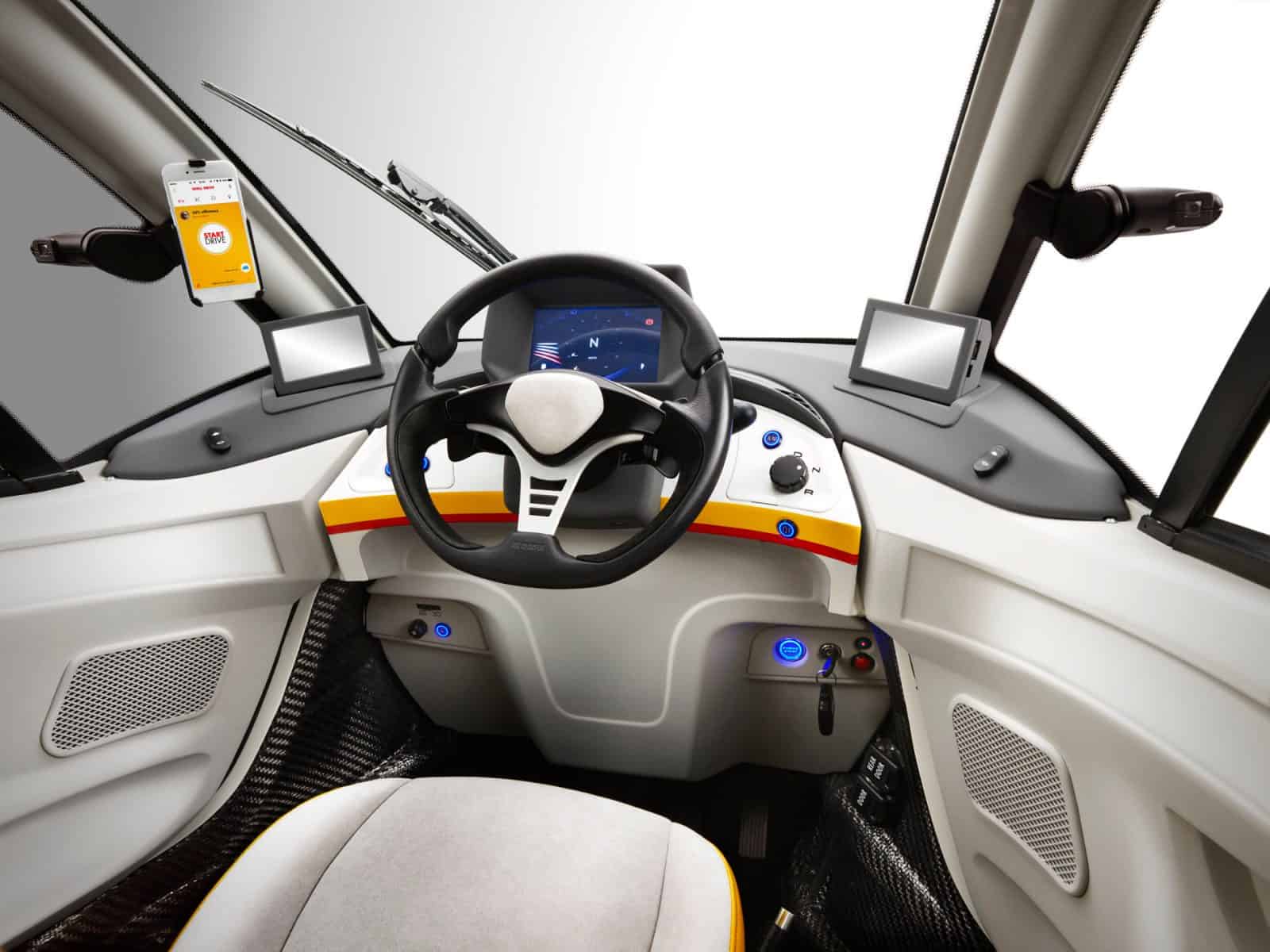
The interior of Shell’s fuel efficient concept vehicle.

The car has a top speed of 110 kilometres per hour (km/h) but performs best at 50-70km/h. Independent tests revealed that the car emits at least one quarter less carbon dioxide than typical petrol-powered city and hybrid cars.

As the vehicle is made of recycled carbon fibre (weighing only 550kg), manufacturing the car requires up to 45% less energy compared to a “city car available today”.

“The lower weight and the aerodynamic improvement has been a significant factor in increasing the efficiency. So has the engine lubricant collaboration between Shell and Geo Technology. By working together we’ve achieved far more than we could have done on our own,” said Matt Brewerton, the lead project design engineer at GMD.

Shell itself has no plans to put the concept car into commercial production.

Joseph Nordqvist Avatar

Other News

Why changing jobs does not always lead to better pay

Nov 24, 2026

Worker interviews uncover job tasks missing from standard occupation lists

Nov 24, 2026

Startup training was followed by more closures and stronger funding results in a US experiment

Nov 24, 2026

Information about local rivals changed firms’ AI investment plans in a European study

Nov 24, 2026

Online job ads can understate small employers’ share of hiring opportunities

Nov 24, 2026

How IBM expanded marketing experiments by changing who could run them

Nov 24, 2026

Grocery discounts do not lift every brand’s sales equally, study finds

Nov 24, 2026

A low upfront price can obscure the cost of refills, study finds

Nov 24, 2026

How medical device startups describe their products may affect clearance times

Nov 23, 2026

Why cheaper grocery products can face faster inflation when costs rise

Nov 23, 2026

One office day a month was followed by more calls handled in a remote-work experiment

Nov 23, 2026

An AI shopping assistant increased sales in a livestream experiment

Nov 23, 2026

Starting an idea without AI changed employees’ sense of ownership in an H&M test

Nov 23, 2026

Showing the extra cost of a larger pack changed buying choices in an online test

Nov 23, 2026

Looking at products together can help identify competitors, camera study finds

Nov 23, 2026

Removing unauthorized book copies produced an uncertain sales result in a field experiment

Nov 23, 2026

Warnings did not consistently undo the influence of product lineups

Nov 23, 2026

Demographic ad targeting can change how fairly consumers view a brand

Nov 22, 2026

Matching online and store prices had mixed effects at one electronics retailer

Nov 22, 2026

Meal-kit displays showed no clear sales lift for plant-based products in Belgian stores

Nov 22, 2026