
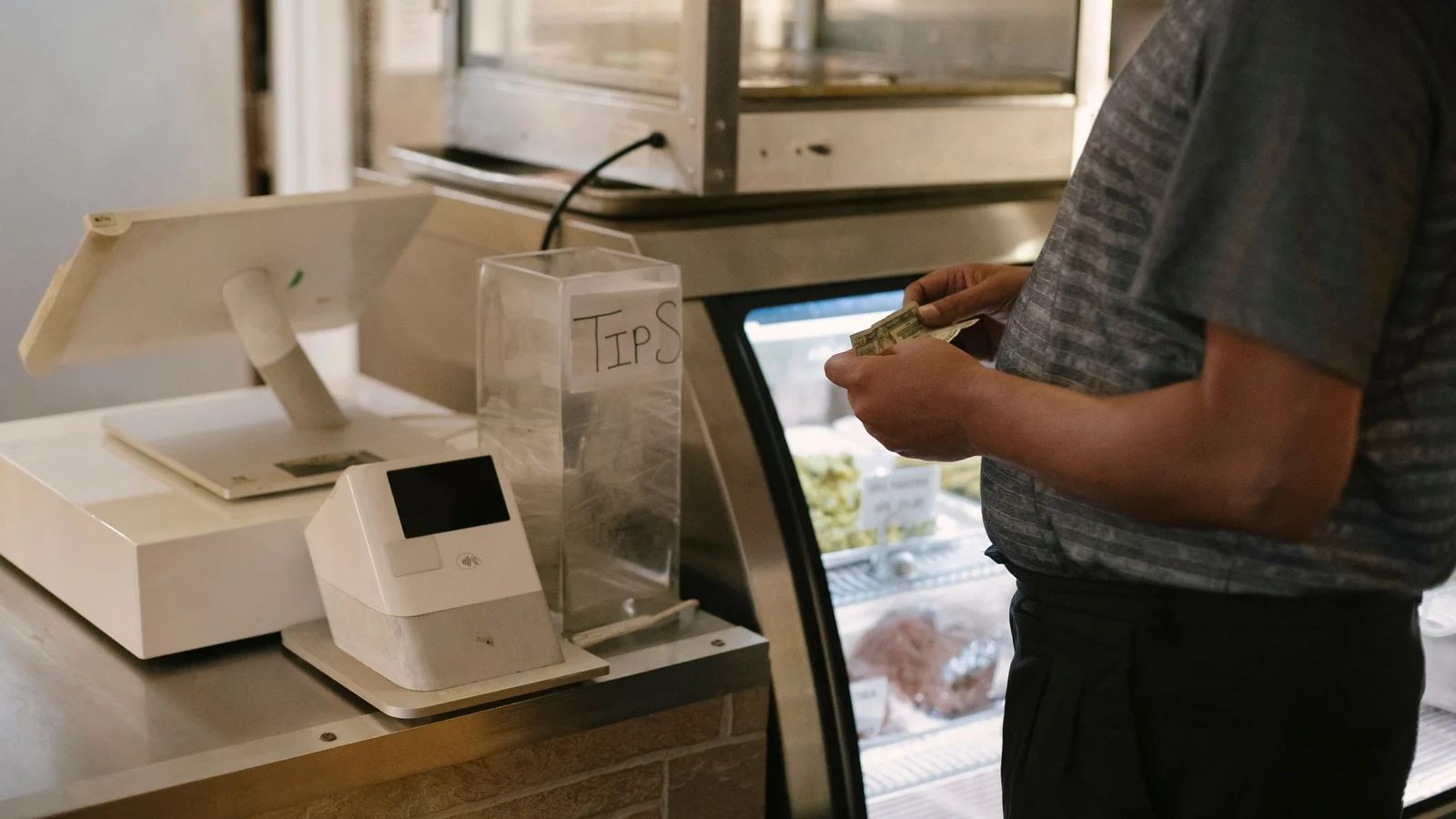
US consumers made about six cash payments a month in 2025, accounting for 14% of payments in the Federal Reserve’s latest Diary of Consumer Payment Choice. Cash use was higher among older and rural consumers. For store operators, the difference matters when deciding which payment methods to support and what to do when card authorizations are interrupted.
The Federal Reserve’s 2026 summary puts total monthly payments at about 47 per consumer. The diary tracks payment behavior across a range of activities, from in-person purchases to bills. The share for cash refers to the number of payments and includes transactions outside retail stores. It is a measure of frequency rather than the share of retail revenue.
A national average can hide who uses cash
People aged 55 and over made about ten cash payments per month. For adults aged 18 to 24, the figure was about two. People in rural areas averaged nine, compared with six for people in suburban and urban areas. The Atlanta Fed’s survey and diary materials provide the research results and methods.
That difference can show up even at stores owned by the same business. A store near a college may record little routine cash use. Another serving older customers on a route through several small communities may see cash more often. A store-level count by day, transaction size and checkout lane can guide staffing and equipment better than applying a national figure to every branch.
Decide how a shop will trade during an outage
Retailers also use cash as a backup. During a brief network failure, a store with a supervised till and enough change may be able to continue serving some customers. A cash procedure needs to spell out what happens when prices are stored in a system that is unavailable, how receipts are issued and how transactions are reconciled. Some stores may also have alternatives such as a separate network connection, depending on equipment and provider terms.
Accepting cash brings costs of its own, including employee time for counting, bank deposits and controls for mistakes or theft. Any policy change should factor in those costs, actual local demand and applicable cash-acceptance requirements. Payment access is part of the wider customer experience. The diary’s value for retailers is in showing how much that experience can vary with location and customer base.
