
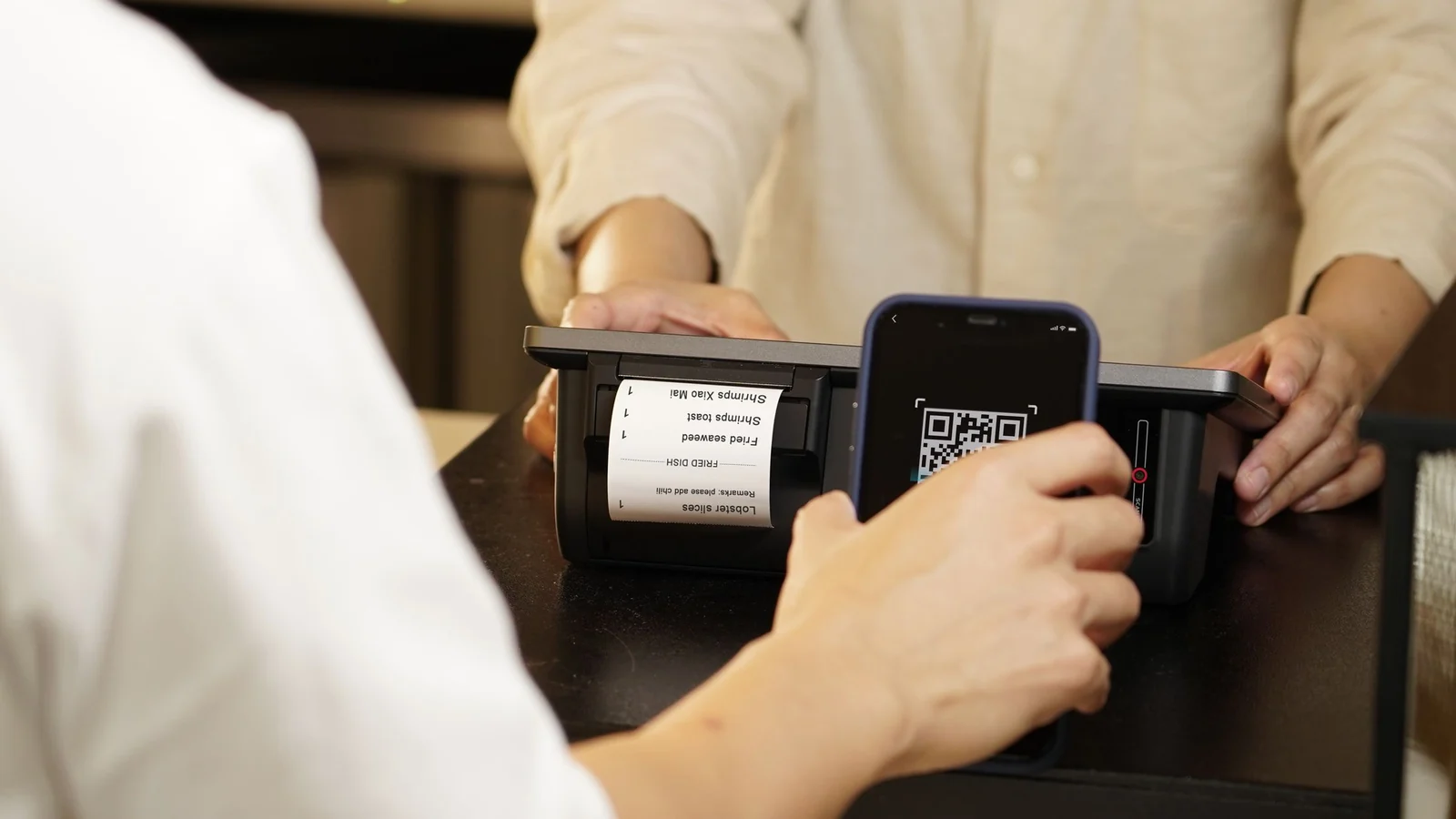
GS1, the standards organization behind the barcodes used at retail checkouts, is asking stores to prepare for a change by the end of 2027. The goal is for retail checkout systems to be able to read a product identifier from supported two-dimensional barcodes as well as the familiar striped ones. For a retailer, that makes the transition a software and testing project as much as a scanner purchase.
The target, described in GS1’s implementation guideline, is an industry initiative. Brands and retailers are adopting it at different speeds, and GS1 expects a period of dual marking, when a package carries both kinds of barcode. Suppliers selling the same product through several chains may need both until the stores they serve can reliably handle the newer format.
What the checkout needs to read
A common retail barcode carries a Global Trade Item Number, or GTIN. The checkout uses that identifier to look up a product and its price. A small 2D code can carry the same identifier alongside other information, such as a batch number or an expiry date, if the brand encodes it and the retailer is equipped to use it.
A QR code using GS1 Digital Link syntax can also point a shopper’s phone to an online destination. A food company could use the link to provide recipe ideas or current ingredient information. The same code can supply the item identifier at the till. A generic marketing QR code already printed on a box may send customers to a page, but a retailer still needs the right structured data for a checkout scan.
Test one item from packaging to till
A hardware scanner may recognize a square code while the checkout application still fails to process it. In a pilot, a retailer can put a dual-marked product through a staffed register and a self-checkout, then check that each produces one item and one charge. Returns, handheld stock scanners and items with damaged or glossy packaging are useful follow-up cases.
There is a separate decision about using information beyond the product identifier. Expiry data can help with rotation and batch data can improve recall tracing, but those benefits depend on the brand printing accurate data and the store’s supply chain systems recording the relevant fields. Each capability calls for a test of what happens when a field is missing or a code cannot be read.
For brands, carton and label redesigns offer a chance to do the work without a separate packaging change. For retailers, the first milestone is simpler than many of the promised uses: every supported code needs to identify the right item and keep the line moving.
