
2009-model-year-toyota-tacoma

Toyota will pay up to $3.4bn to settle US lawsuit over inadequate rust protection

Written by Joseph Nordqvist

Published: 05:04, November 14, 2016

Toyota has agreed to pay up to $3.4bn (£2.7bn) to settle a US Federal class action which claimed that certain models of the Japanese carmaker’s trucks and sport-utility vehicles lacked proper rust protection – leading to corrosion of vehicle framed and undermining structural integrity.

The proposed settlement covers 1.5 million vehicles, including Tacoma compact pickups made from 2005 to 2010, Tundra full-size pickups 2007 to 2008, and Sequoia SUVs from 2005 to 2008.
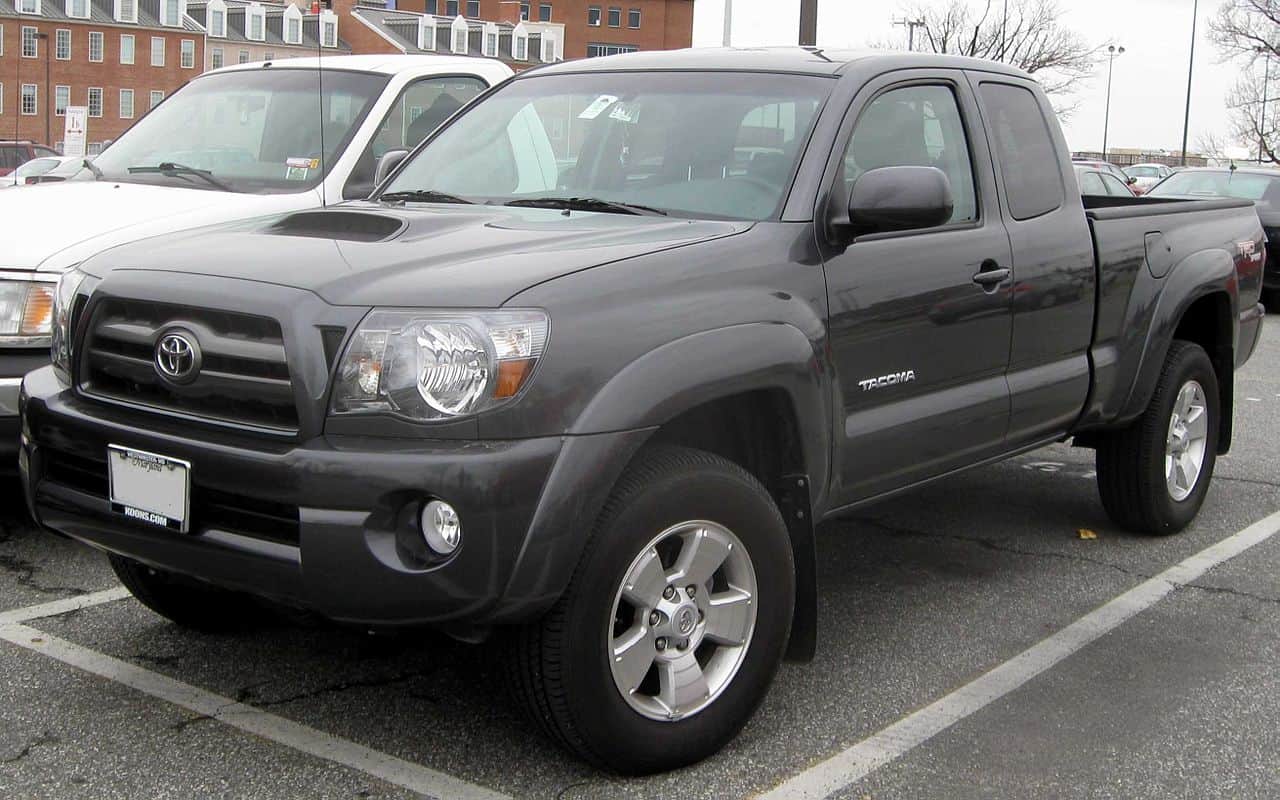
2009-model-year-toyota-tacoma
A 2009 model year Toyota Tacoma pickup truck.

Toyota will inspect the vehicles for 12 years from the day they were first sold or leased and replace the frames of cars which are found to have faulty rust protection.

Plaintiffs’ lawyers estimate the cost of frame replacement at about $3.375 billion, based on a cost of about $15,000 per vehicle and the inspections at about $90 million at a cost of $60 per vehicle.

Owners of affected vehicles who previously paid for frame replacement will also be reimbursed.


In the proposed settlement Toyota admitted no liability or wrongdoing.

“We want our customers to have a great ownership experience, so we are pleased to resolve this litigation in a way that benefits them and demonstrates that we stand behind the quality and reliability of our vehicles,” Toyota said in a statement.

The carmaker also agreed to pay legal fees of $9.75 million, $150,000 in costs and expenses, and $2,500 to each of the named class representatives.

Joseph Nordqvist Avatar

Other News

Data centers had different effects on industrial and household power prices in a US study

Nov 24, 2026

Why changing jobs does not always lead to better pay

Nov 24, 2026

Worker interviews uncover job tasks missing from standard occupation lists

Nov 24, 2026

Startup training was followed by more closures and stronger funding results in a US experiment

Nov 24, 2026

Information about local rivals changed firms’ AI investment plans in a European study

Nov 24, 2026

Online job ads can understate small employers’ share of hiring opportunities

Nov 24, 2026

How IBM expanded marketing experiments by changing who could run them

Nov 24, 2026

Grocery discounts do not lift every brand’s sales equally, study finds

Nov 24, 2026

A low upfront price can obscure the cost of refills, study finds

Nov 24, 2026

How medical device startups describe their products may affect clearance times

Nov 23, 2026

Why cheaper grocery products can face faster inflation when costs rise

Nov 23, 2026

One office day a month was followed by more calls handled in a remote-work experiment

Nov 23, 2026

An AI shopping assistant increased sales in a livestream experiment

Nov 23, 2026

Starting an idea without AI changed employees’ sense of ownership in an H&M test

Nov 23, 2026

Showing the extra cost of a larger pack changed buying choices in an online test

Nov 23, 2026

Looking at products together can help identify competitors, camera study finds

Nov 23, 2026

Removing unauthorized book copies produced an uncertain sales result in a field experiment

Nov 23, 2026

Warnings did not consistently undo the influence of product lineups

Nov 23, 2026

Demographic ad targeting can change how fairly consumers view a brand

Nov 22, 2026

Matching online and store prices had mixed effects at one electronics retailer

Nov 22, 2026